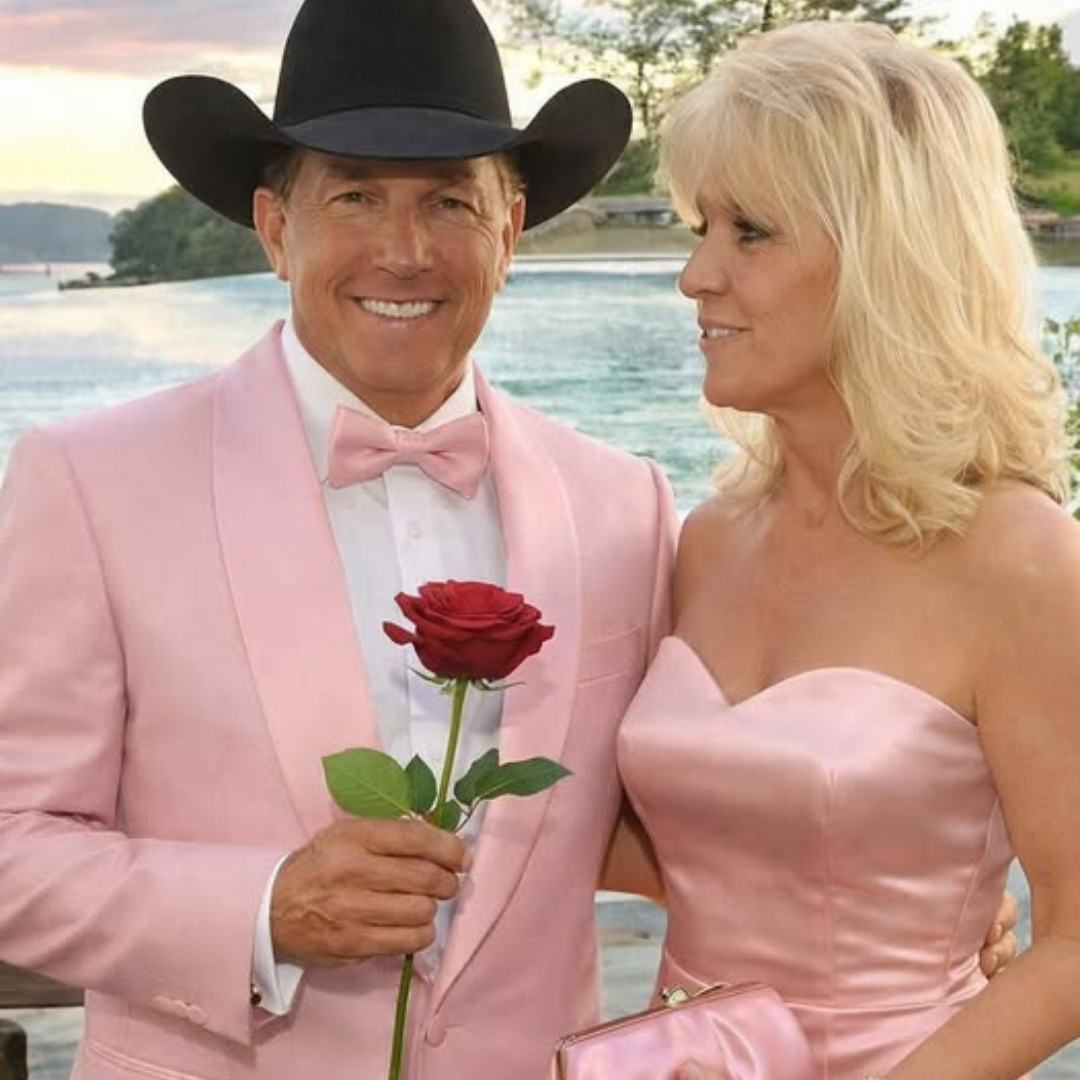
For most of his life, George Strait let the songs do the talking.
He let the cowboy hat become a symbol.
He let the steady baritone carry stories of love, loss, duty, and endurance.
He let sold-out arenas and record-breaking charts speak where he chose not to.
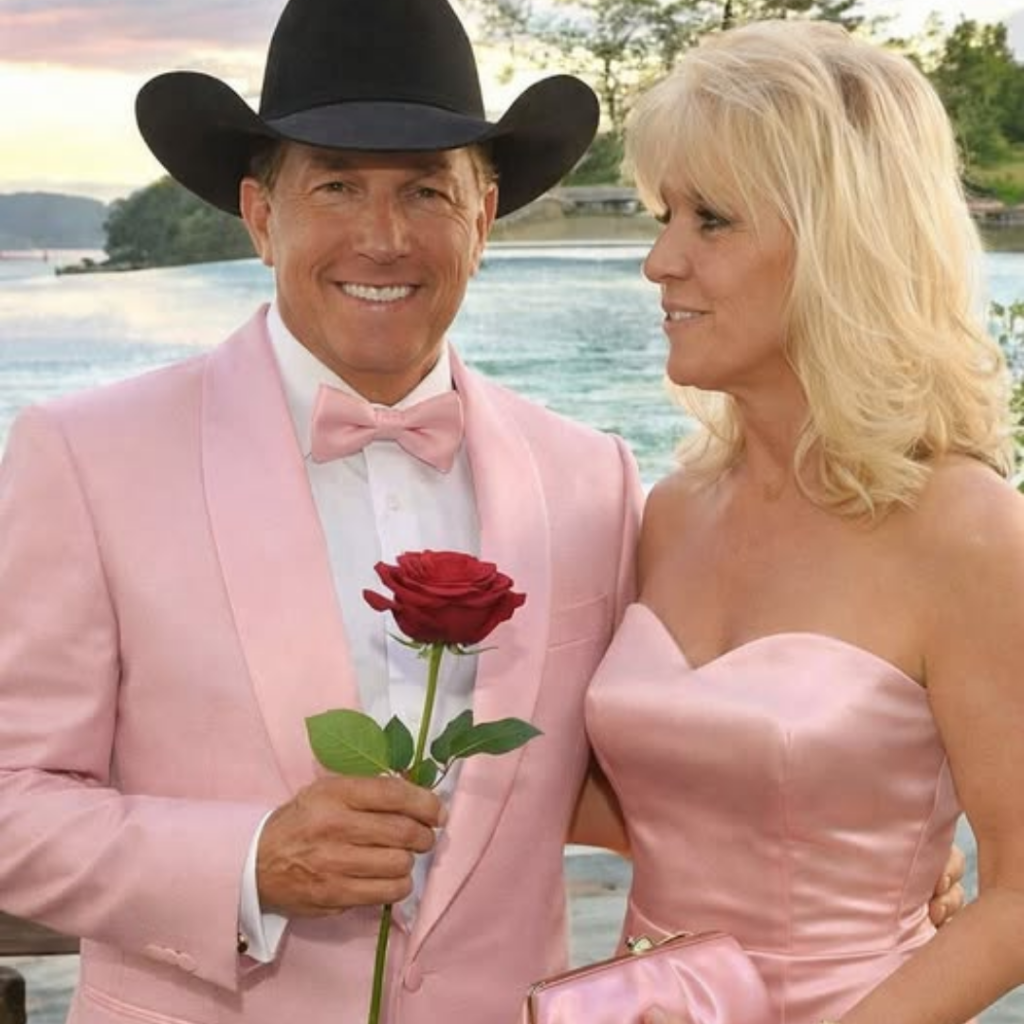
And for decades, that silence was deliberate.
George Strait has always understood the power of restraint. In an industry built on oversharing and spectacle, he built a legacy on privacy, discipline, and control. He sang about love endlessly, yet guarded his own with near-ferocity. He allowed the world to know the legend, but rarely the man.
Until now.
At 73 years old, in a moment that stunned even those closest to him, George Strait did something he had avoided for most of his career. He spoke openly — plainly — about the woman who shaped his life more than any song ever could.
Not as a symbol.
Not as a footnote.
But by name.
A Life Spent Protecting What Mattered Most
Those who have followed George Strait for decades know the pattern. Interviews stayed focused on music. Personal questions were answered politely, briefly, then closed. Family remained off-limits, not out of secrecy, but out of respect.
He never needed mystery to sell records. He needed honesty in his work — and silence everywhere else.
Industry veterans say this was not accidental.
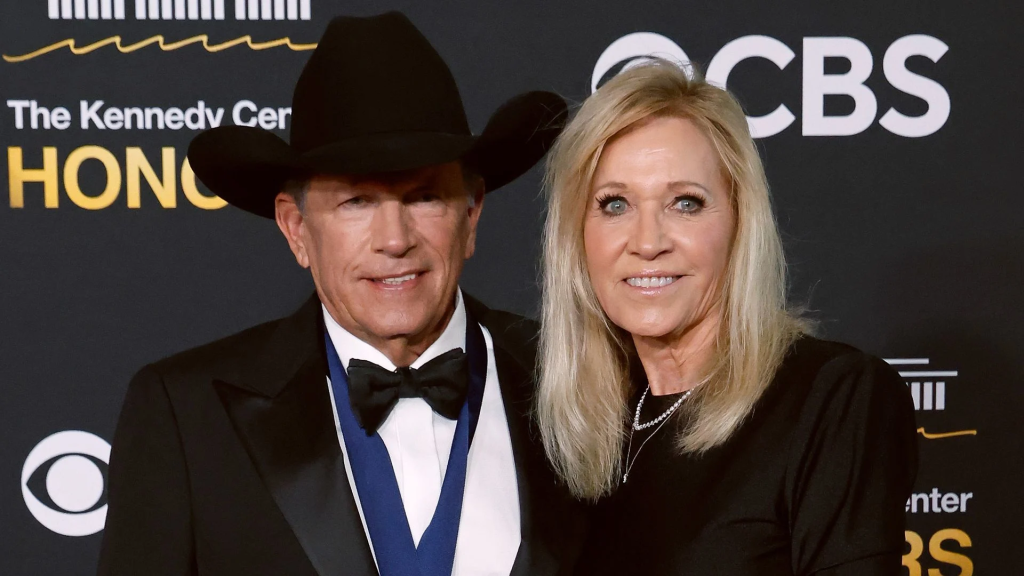
“George always knew the line,” said one longtime associate. “He understood that if you let the world in too far, it stops belonging to you.”
That line held firm for more than fifty years.
Until one evening, when it didn’t.
The Moment No One Expected
The setting was modest by celebrity standards. No flashing lights. No stage theatrics. Just George Strait, seated comfortably, answering questions in a calm, reflective tone.
The conversation drifted toward legacy — awards, longevity, influence. The usual terrain.
Then came the pivot.
A simple question.
Who mattered most?
For a brief moment, Strait paused. Those familiar with his mannerisms noticed it immediately. He looked down, nodded once, and smiled — not the polite public smile fans know, but something softer. Something private.
And then he said her name.
Norma.
Not with flourish.
Not with explanation.
Just the name.
The room changed.
When Silence Breaks, It Carries Weight
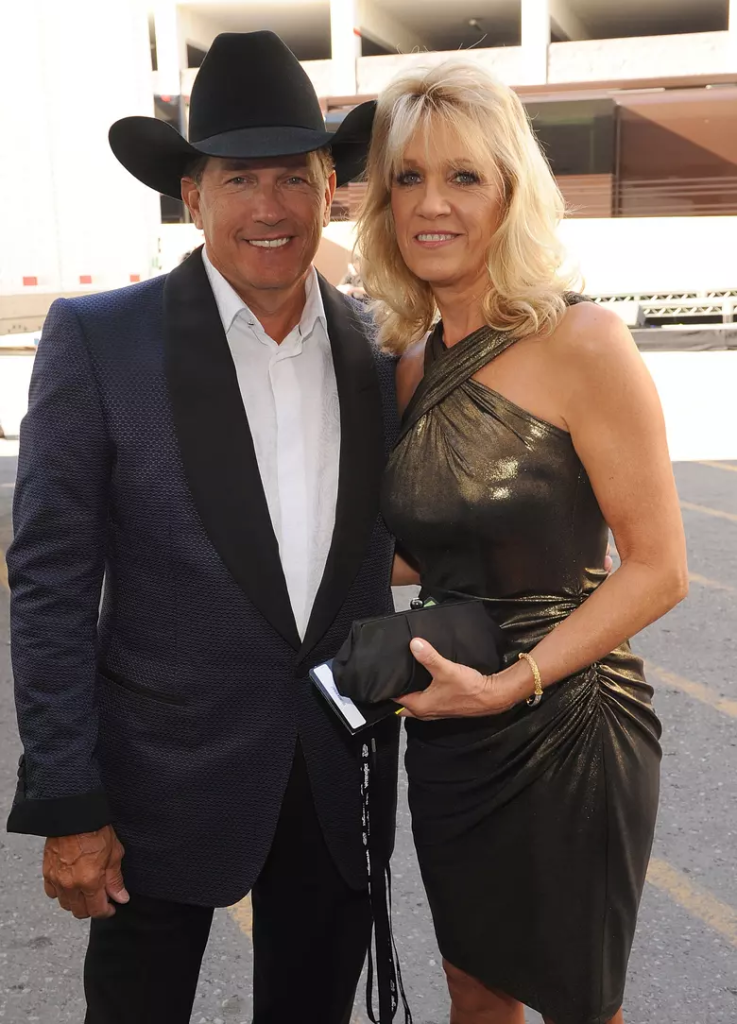
People often imagine confessions as dramatic events. Raised voices. Emotional crescendos. Big reveals.
This was the opposite.
George Strait spoke quietly, steadily, choosing words with the same care that defined his songwriting. He did not frame the moment as a revelation. He spoke as if stating a fact that had always been true, whether the world heard it or not.
“She’s the one,” he said. “She always was.”
That was it.
No buildup.
No embellishment.
And yet, those four words landed with more force than any grand speech could have.
Why That Line Stopped the Room Cold
Observers later described the silence that followed as “complete.”
No one shifted in their seat.
No one spoke.
No one rushed to fill the space.
It was the kind of stillness that only happens when people recognize they are witnessing something real — something not meant for applause.
One attendee described it simply: “It felt like we had been trusted with something.”
For decades, George Strait’s love life existed in the background of his public persona. Known, but not discussed. Respected, but not displayed.
By saying her name — plainly, without defense — he reframed everything.
Not a Headline Romance, But a Lifetime
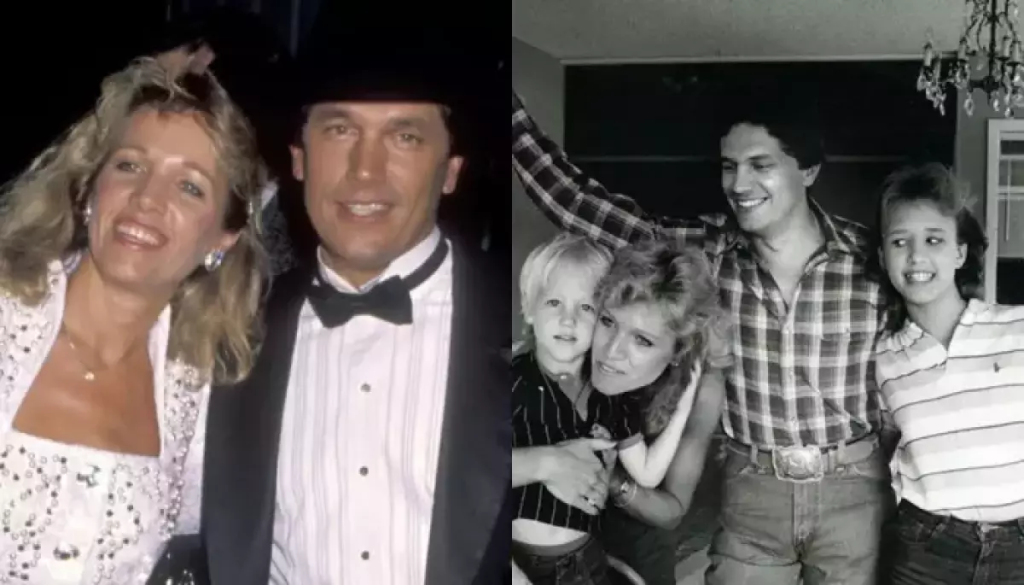
This was not a celebrity love story built for magazines.
It was a partnership forged before fame, tested during it, and protected through it.
Norma has been part of George Strait’s life since long before stadium tours and chart dominance. She knew him before the pressure, before the expectations, before the industry demanded pieces of him.
And through it all, she remained constant.
Friends often describe her as the quiet center of his life — not invisible, but intentionally out of view. A presence that grounded him when the world pulled hard in every direction.
“She never wanted the spotlight,” said a family friend. “She wanted him safe inside it.”
The Meaning Behind the Restraint
To understand why this moment mattered so much, one has to understand what George Strait chose not to do for decades.
He did not brand his marriage.
He did not turn love into content.
He did not trade intimacy for relevance.
In a culture that rewards exposure, he chose protection.
That choice shaped how his music was received. Fans heard sincerity because it was real. Songs about devotion carried weight because they were lived, not marketed.
When he sang about commitment, people believed him — even without knowing the details.
The Confession That Wasn’t Meant to Impress
What struck listeners most was what George Strait did not say.
He did not romanticize hardship.
He did not dramatize longevity.
He did not position himself as a model.
He simply acknowledged where his heart lived.
“I came home to her,” he said later. “No matter where the road went.”
That line, shared without emphasis, resonated deeply. For many, it explained everything — the steadiness of his career, the absence of scandal, the sense that his music always returned to something solid.
Fans Hear the Songs Differently Now
Almost immediately, fans began revisiting George Strait’s catalog with new ears.
Songs that once felt universal suddenly felt specific. Lyrics about loyalty, patience, and enduring love took on sharper clarity.
“This explains why his love songs never felt performative,” one longtime fan wrote. “They were reports from real life.”
Radio hosts across the country echoed similar sentiments. The confession didn’t change the music — it deepened it.
Why He Spoke Now
Those close to Strait say the timing was intentional.
At 73, he is not chasing relevance or rewriting his story. He is living inside it. With the urgency of youth gone, what remains is clarity.
This was not about correcting the record.
It was about honoring it.
“There comes a time when protecting something also means acknowledging it,” said one associate. “George reached that point.”
A Culture Hungry for Something Real
The response to his words revealed something broader than celebrity fascination.
In a world saturated with spectacle, people responded to sincerity.
There was no controversy to debate. No sides to take. Just recognition.
Social media, often fueled by outrage, filled instead with gratitude. People shared stories of long marriages, quiet love, partners who stood beside them without applause.
George Strait’s confession became a mirror.
Legacy Rewritten in One Sentence
For years, people assumed George Strait’s legacy would be defined by numbers: number-one hits, decades of relevance, sold-out tours.
This moment suggested otherwise.
Legacy, it turns out, is not only what you give the world — but what you protect from it.
By saying her name, George Strait reminded everyone that the strongest love stories do not need constant narration. They endure precisely because they are lived, not displayed.
The Final Stillness
When the conversation moved on, it did so gently. No one tried to capitalize on the moment. No one pressed for details.
It would have felt wrong.
George Strait had not opened a door for curiosity. He had closed a chapter with acknowledgment.
And as one person in the room later said, “That silence after he spoke — that was respect.”
A Quiet Truth, Finally Spoken
At 73, George Strait did not deliver a headline-grabbing revelation.
He did something far rarer.
He spoke the truth plainly, trusted it to stand on its own, and let the room carry it forward.
Not as gossip.
Not as spectacle.
But as recognition.
He talked about who he came home to.
And in doing so, reminded the world that the greatest love stories are not the loudest ones — they are the ones strong enough to survive in silence.
Until the moment they no longer need to.